



















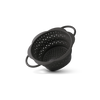









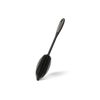








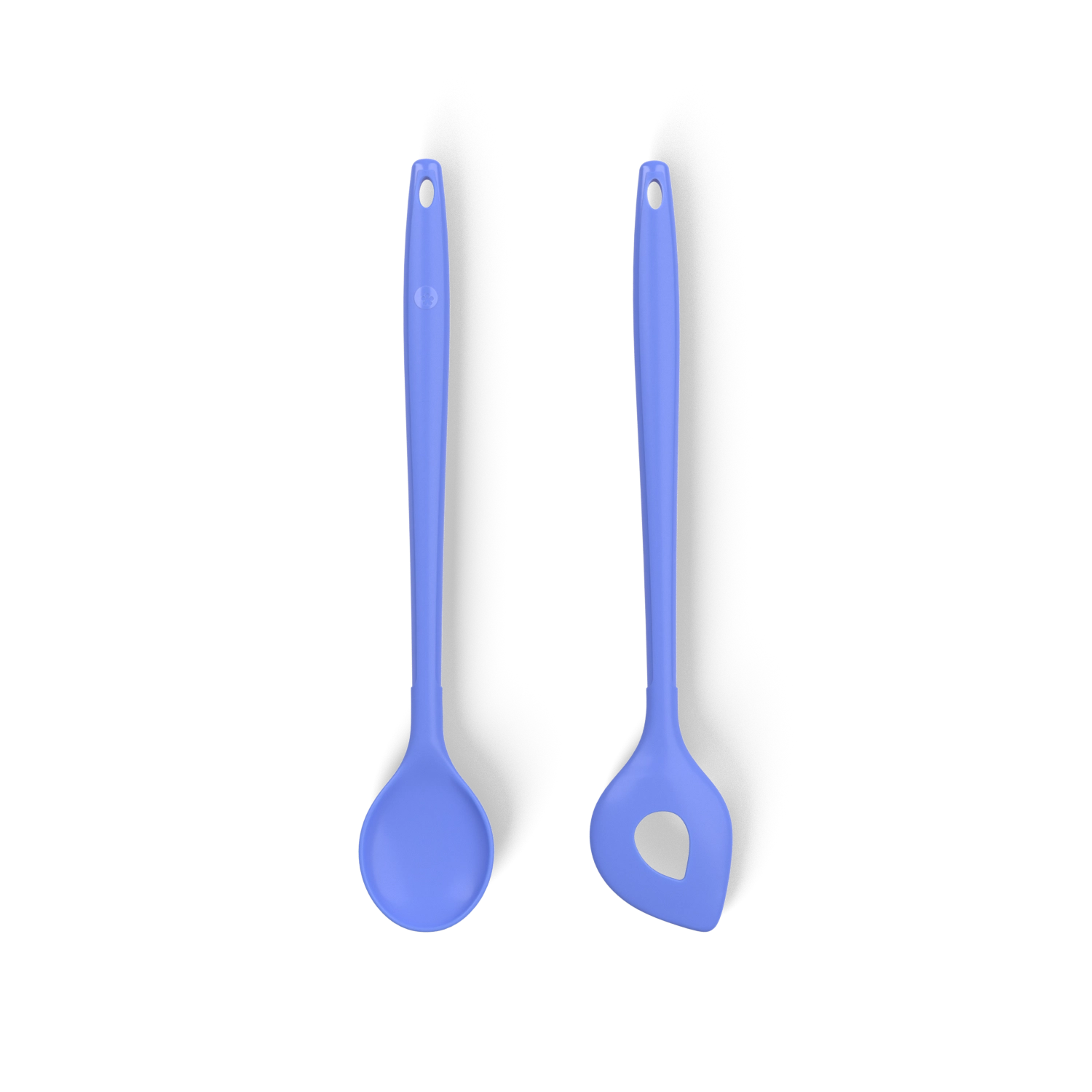
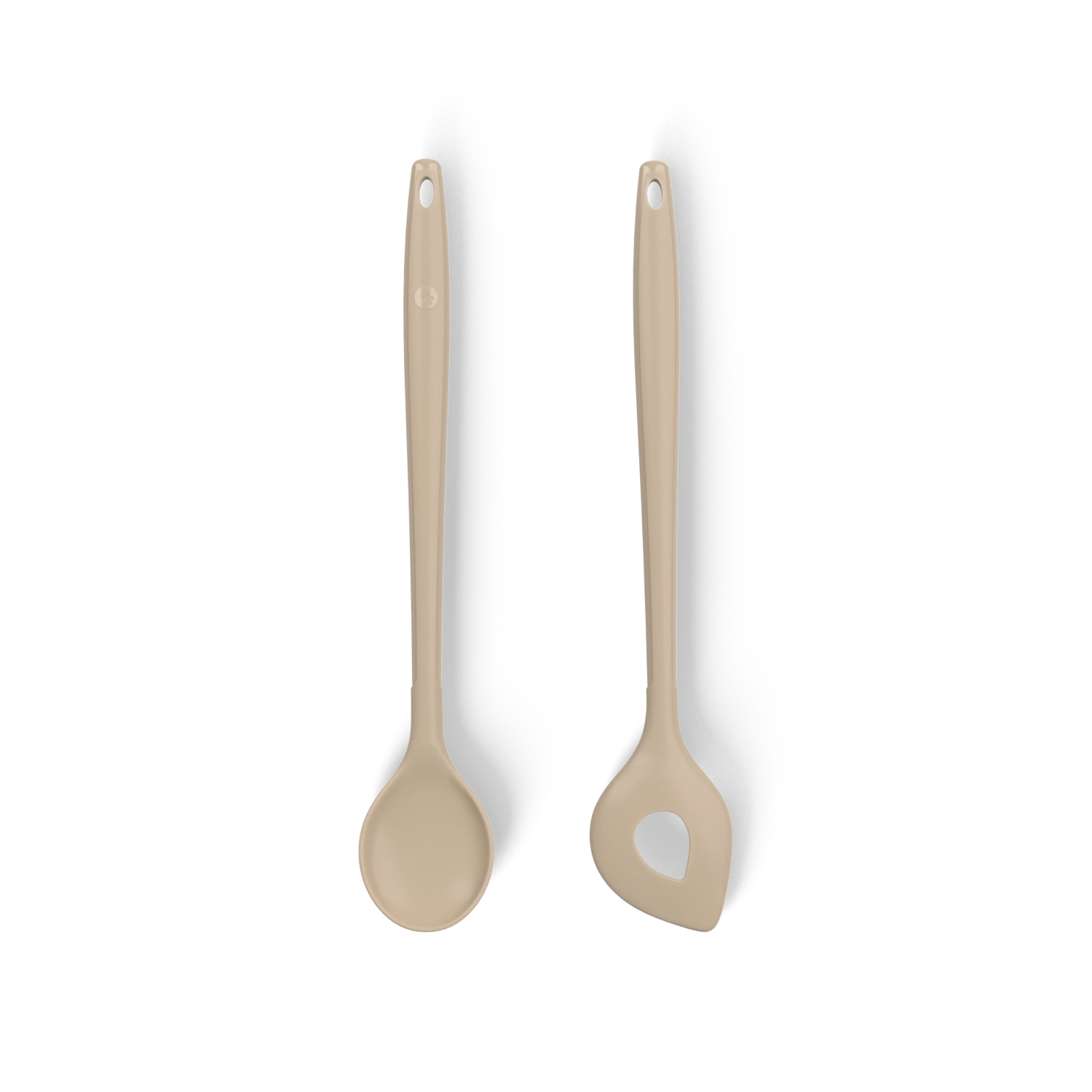
Spoon Set Classic

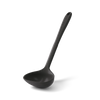
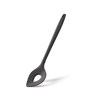
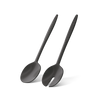
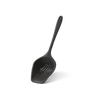
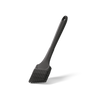
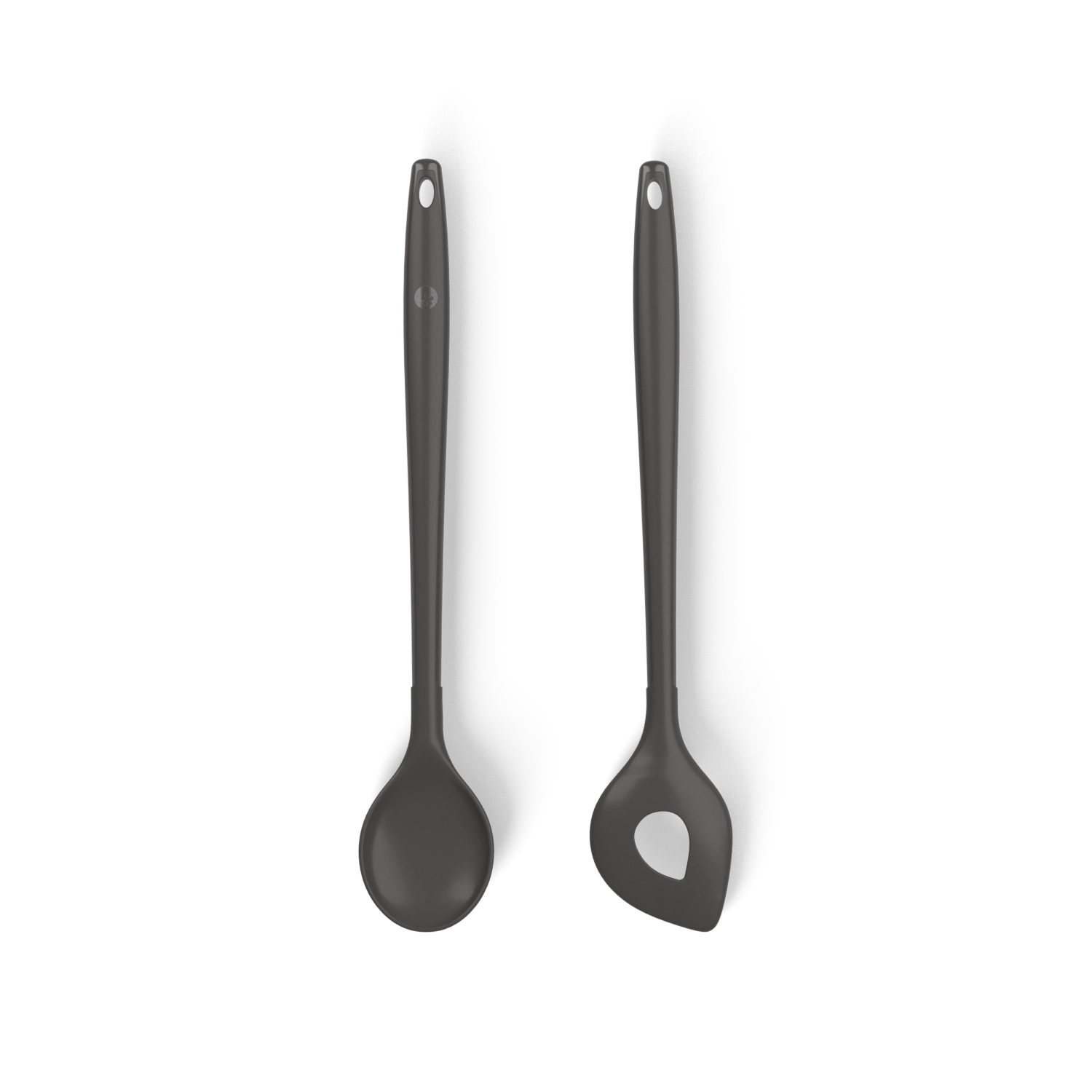
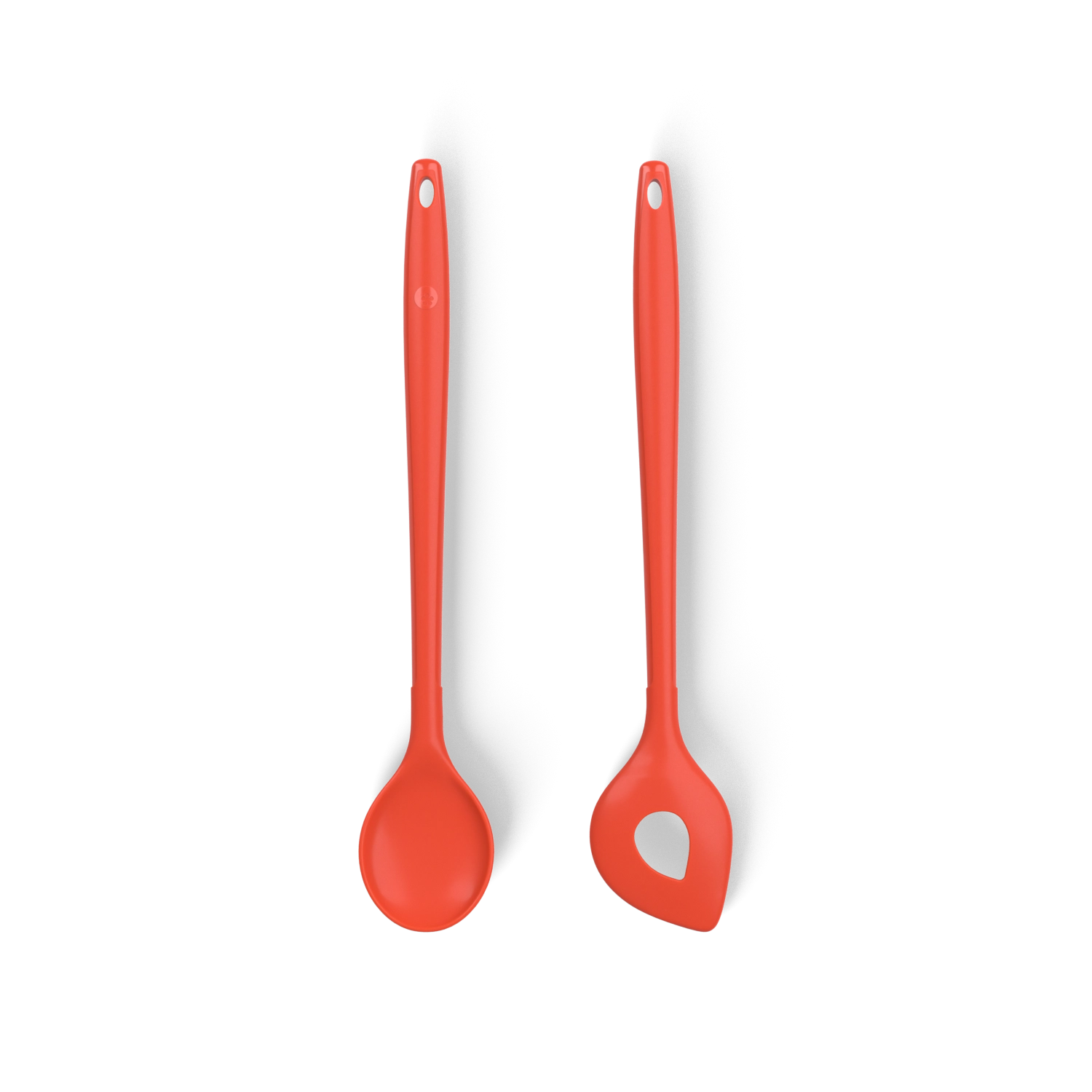
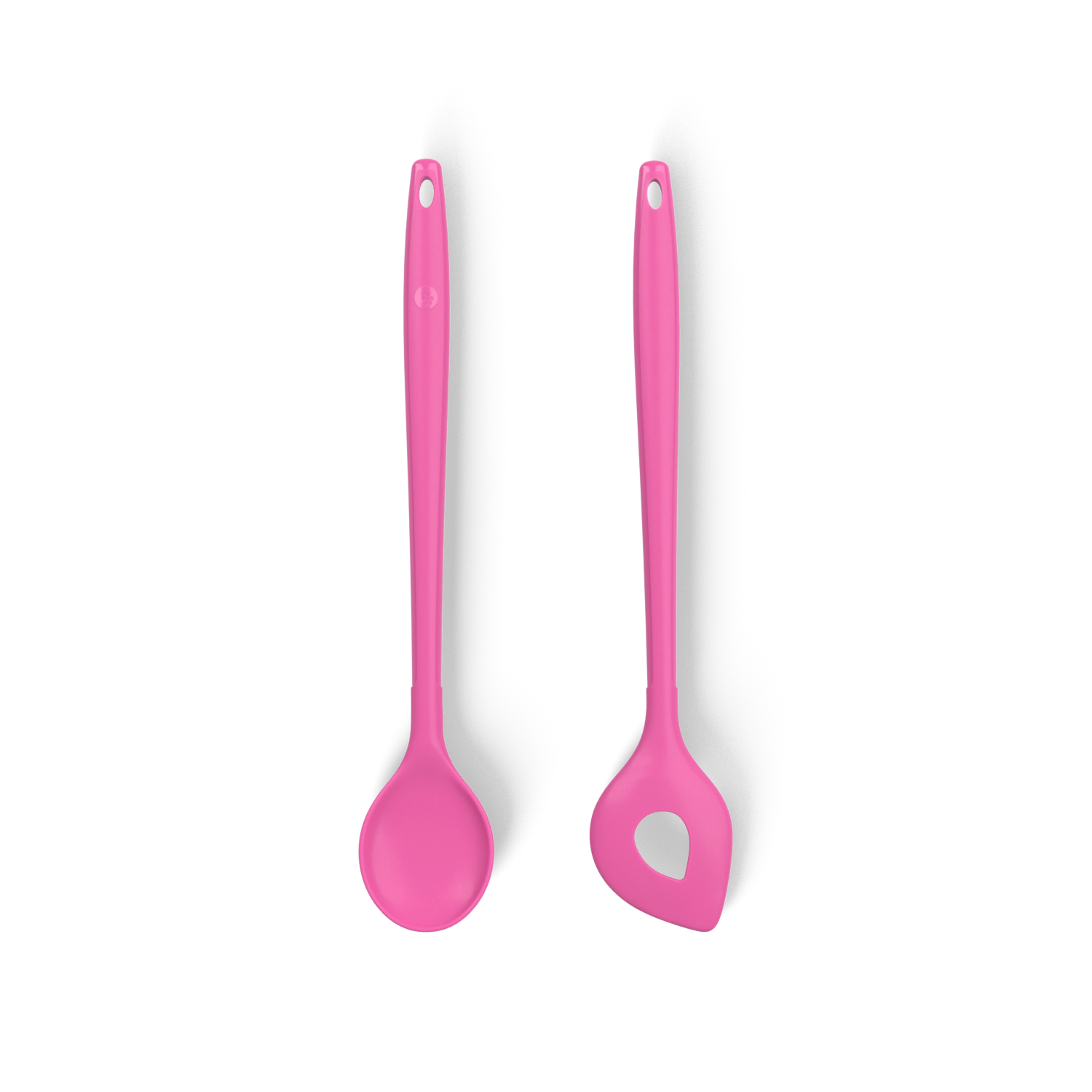
2-piece classic set of cooking spoon and baking spoon — ideal for versatile cooking and baking applications.

Food-grade silicone and BPA-free
Heat resistance up to 260°C
Dishwasher safe
Stainless steel core

Free Shipping

Free shipping on orders over €49.99

Sale price16,95 € Regular price19,90 €
Save 15%

Tax included. Shipping calculated at checkout


Color: lime

In stock – Arrives in 1 to 3 business days


Two true classics that belong in every kitchen!
The cooking and baking spoon set combines tradition with modern quality. Whether stirring savory dishes or preparing dough – these two all-rounders are versatile and impress with their thoughtful design and durable materials. A must-have for anyone who relies on proven kitchen helpers and doesn't want to compromise on comfort.

Gentle on the coating
100% platinum silicone
Food-safe
Dishwasher-safe

Classics!

Our set of cooking spoon and baking spoon combines two classics that no kitchen should be without. Even grandma had a tradition of using these items. Both spoons are made of food-grade and hygienic silicone and offer versatile uses.

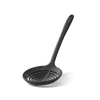
The classic cooking spoon is perfect for stirring and mixing soups and sauces. Thanks to its robust design and sturdy stainless steel core, it is dimensionally stable and durable. The silicone coating protects your surfaces and makes the cooking spoon heat-resistant up to 260°C.

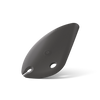
Another classic is the baking spoon. This versatile spoon is suitable for both baking and cooking. It is particularly practical for all types of dough. With its flexible tip, you can easily reach all corners, and the hole in the spoon also helps to stir soups and sauces without lumps. The baking spoon is also equipped with a sturdy stainless steel core, which ensures dimensional stability and durability, while the silicone coating protects your cookware surfaces.

Both spoons are BPA-free, dishwasher-safe, and heat-resistant up to 260°C. With a length of 30 cm, they are perfect for a variety of uses in your kitchen.

Discover the versatile uses of our set of cooking spoon and baking spoon and enrich your kitchen with these practical and durable helpers.
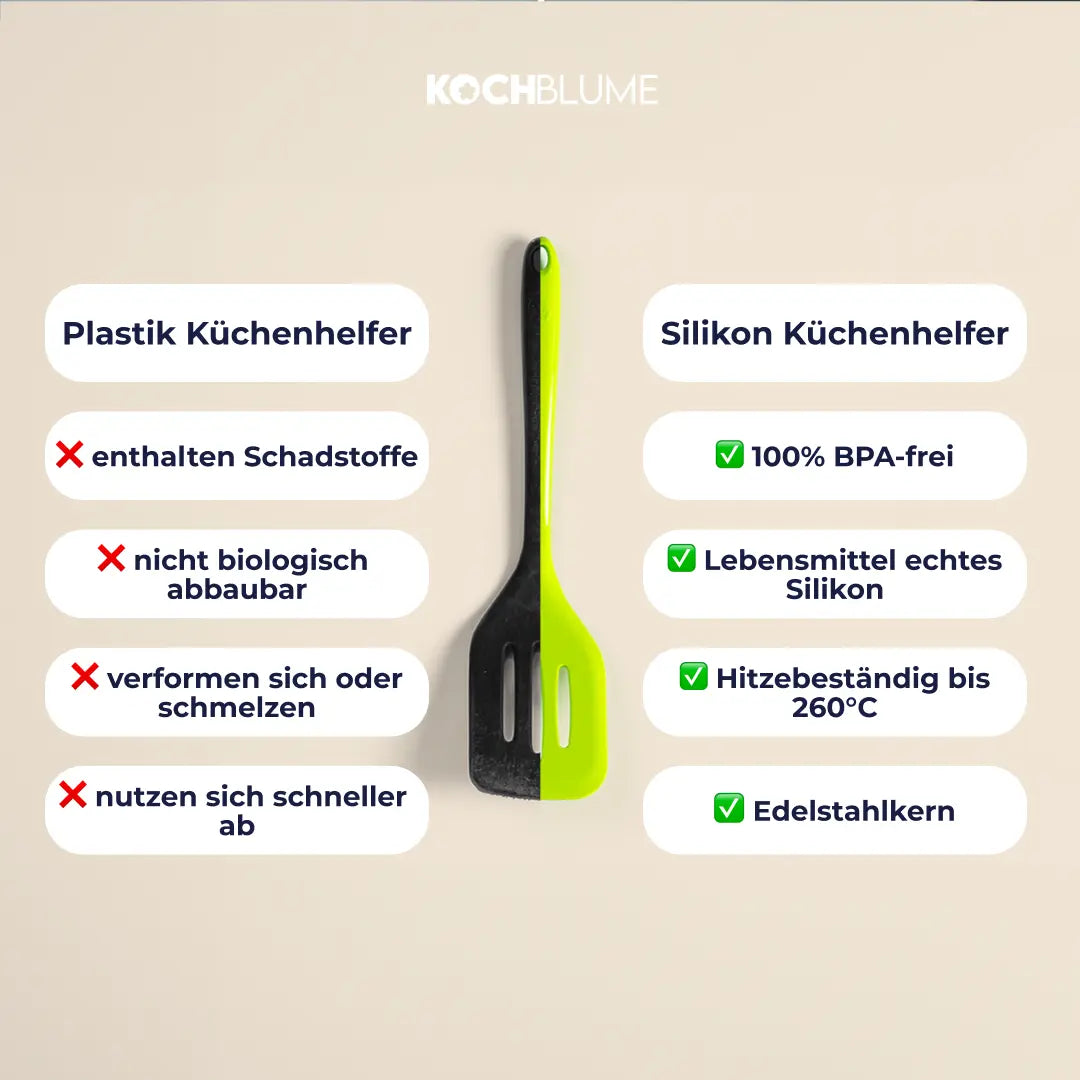
Practical kitchen helpers for every day

Kochblume’s kitchen helpers are made of high-quality, food-safe silicone and are specially developed for everyday use. They are heat-resistant, dimensionally stable and retain their function even with intensive use.

The flexible material allows precise work and adapts optimally to different applications. At the same time, the products are particularly gentle on coated pans and delicate surfaces.

Ergonomic shapes ensure pleasant handling, while the durable quality enables sustainable use over many years.

Cooking with more ease

Cooking in everyday life is often quick, done on the side and sometimes simply stressful. You have little time, keep an eye on several things at once and still want everything to turn out right in the end. This is exactly where you notice how big a difference good kitchen helpers really make.

When everything works smoothly, the process becomes calmer. Movements come more easily, nothing snags or disturbs – and suddenly cooking feels less like a chore. Instead of constantly correcting or paying attention, you can concentrate on what you’re doing right now.

Good kitchen helpers don’t take the work off your hands, but they make it noticeably more pleasant. And that is exactly what makes even a quick evening in the kitchen more relaxed.

Quickly clean, ready to use again right away

Kochblume products are particularly easy to care for and designed for quick, hygienic cleaning. Residues can be removed effortlessly without the need for lengthy soaking.

The material absorbs neither odours nor colours and stays hygienically clean even with frequent use.

All cooking helpers are dishwasher-safe and can alternatively be cleaned simply under running water. This means they are ready to use again in no time.

Any further questions?

Good decisions are not made blindly – but with the right information. That's why we've compiled and honestly answered the most frequent questions for you. This way, you'll understand exactly why our kitchen tools are the better choice for your kitchen. 👉 Read briefly, decide confidently.

Why does a greasy/oily film form on my silicone parts?

As explained above under Products and Quality explained, 100% silicone surfaces tend to develop a thin film over time. These are cooking or cleaning residues that settle, especially when the parts lie unused for a longer time. This phenomenon is well known and common with silicone material; it is not because the silicone itself “bleeds” or breaks down. Kochblume silicone contains no substances whatsoever that could leak out (no oil, no plasticisers); the coating comes from outside (fats from food, washing-up liquid residue, limescale from the water, etc.). The reason you often only notice it after some time is that a fresh grease film can be thin and invisible, but builds up, for example, during storage in the drawer and then feels sticky. This can happen faster, by the way, if you prepare very oily dishes or use too little washing-up liquid when cleaning (then slight grease traces remain). But don’t worry, you can get your silicone helpers clean again!

How do I remove discolouration on silicone (e.g. tomato stains)?

Silicone itself is resistant to staining, but strong colour pigments can stick. If you have used curry with turmeric on a light utensil, for example, it can turn yellowish. These discolourations are purely superficial and do not impair the product. There are a few tricks to remove them:

  • Sun: Place the silicone in direct sunlight for a few hours. UV rays bleach out organic dyes (such as curcumin, the yellow from turmeric) – often little is visible afterwards.
  • Vinegar or lemon juice: Wipe the affected areas with a little diluted vinegar essence. Citric acid can also dissolve colour stains. Then rinse well.
  • Baking soda paste Mix a paste from baking soda (bicarbonate of soda) and a little water and apply it to the discolouration. Leave it to work and then rinse off. Bicarbonate of soda binds dyes to some extent.

In most cases, one of these approaches helps. It is important not to exceed the heat limit – some think boiling out would help, but heating above 100 °C tends not to achieve anything and stresses the silicone unnecessarily. It is better to bleach gently as described. And even if a silicone item should retain a slight colour shadow, that is not a quality defect, but normal behaviour in the absence of a coating. You can continue to use it without restriction.

My Kochblume lid has become slightly yellowish after some time – what should I do?
If an originally coloured silicone lid develops a yellow tinge after months or years, it is usually due to oil and grease residues from the air. In a busy kitchen (frying, deep-frying, etc.), invisible grease droplets collect in the air and settle on surfaces – you may know this from upper kitchen cabinets that feel slightly sticky. Silicone surfaces are no exception. Especially if the lid often sits on the stove but is not always actively used, air circulation can deposit grease and slightly change the material’s appearance. A thorough cleaning helps here (see vinegar method above). In a specific customer case, we checked the product batch and found that there was no general problem series – the yellow tinge was due to environmental influences.

💡 Tip: Also clean silicone accessories that seemed to lie clean in the cupboard every now and then as a precaution. A quick wipe with hot water and washing-up liquid or vinegar prevents thick layers from forming over a long time. This way, for example, your Überkochblume always stays attractive and functional. And store silicone as dust-free as possible, as dust can also combine with grease and intensify the film.

Can silicone take on odours or flavour?

High-quality silicone like ours is odour- and flavour-neutral. It usually does not absorb any flavours from food. For example, you can stir curry with the same silicone spoon today and whip cream tomorrow without the cream tasting of curry. If you do get the impression that a utensil smells of the food: clean it with a little bicarbonate of soda (baking soda); bicarbonate of soda neutralises odours. Sometimes strong spices can leave a slight scent, but this dissipates after the next wash or, at the latest, after dishwasher cleaning. It is important to dry the parts thoroughly after washing, as damp environments encourage odour development (e.g. when water stands for a while). Overall, silicone performs much better here than wood or plastic, for example.

Why do my silicone kitchen helpers become sticky or have a film over time?

Some users notice a sticky coating on silicone after a longer time. This is not a material defect, but is caused by cooking or cleaning residues that can deposit on the surface during use. Especially with 100% silicone without a coating, this is typical of the material – the same phenomenon is known from high-quality silicone baking moulds, which can act like “grease sponges”. After washing they appear clean, but during storage a grease film from earlier baking emerges again. In our case this means: our products do not release any components such as plasticisers (because none are contained), but what you feel are the finest grease or soap residues from previous use. Especially when the kitchen helpers are rarely used or lie in the drawer for a long time, such a greasy film can form. This is unsightly, but can be remedied.

💡 Tip:
A vinegar-essence solution has proven effective for cleaning sticky silicone surfaces. Place the silicone product in a mixture of vinegar essence and water (e.g. 1 part 25% vinegar essence to 3–4 parts water) and let it work for a few minutes. Then rinse thoroughly with clear water and let it dry well. Alternatively, you can also wipe the silicone with the solution. This natural method reliably removes grease residues and the product feels like new again. Carry out this cleaning occasionally – especially for large parts such as lids – then your silicone helpers stay hygienically clean and ready for immediate use.

Note:
Do not use abrasive cleaners or hard brushes on silicone to remove the film – this is usually not necessary at all (vinegar is enough) and could roughen the surface. Should the coating be very stubborn, you can resort to special plastic cleaners or a mix of baking soda and water if needed. But normally this is not necessary.

Do silicone products need special care?

Our silicone items are very easy to care for. They are dishwasher-safe, but can also simply be cleaned by hand with warm water and a little washing-up liquid. As a rule, nothing sticks: “No sticking, no discolouring” – the material is hygienic and easy to clean. Note that sharp objects (knives, etc.) could mechanically affect the silicone – so do not cut directly on a silicone mat, for example, to avoid cuts. Otherwise you need no special treatment. 💡 Tip: If you let silicone items air-dry after washing, you can then rinse them briefly with clear water – this removes any limescale spots and the parts stay nice and attractive.

How can I thoroughly clean greasy silicone parts?

When normal washing-up liquid is no longer enough, there are a few tried-and-tested methods:

  • Vinegar-essence bath: (As recommended above) Soak the silicone for a few minutes in vinegar water. This dissolves grease effectively.
  • Baking soda/detergent: What dissolves grease in the kitchen helps here too. A paste of baking soda and water rubbed onto the silicone, left to work and rinsed off, can work wonders.

Caution: Do not use solvents such as acetone or petrol! These could attack the silicone. Stick to food-safe cleaners.

Using the cooking spoon

(Variant may vary)